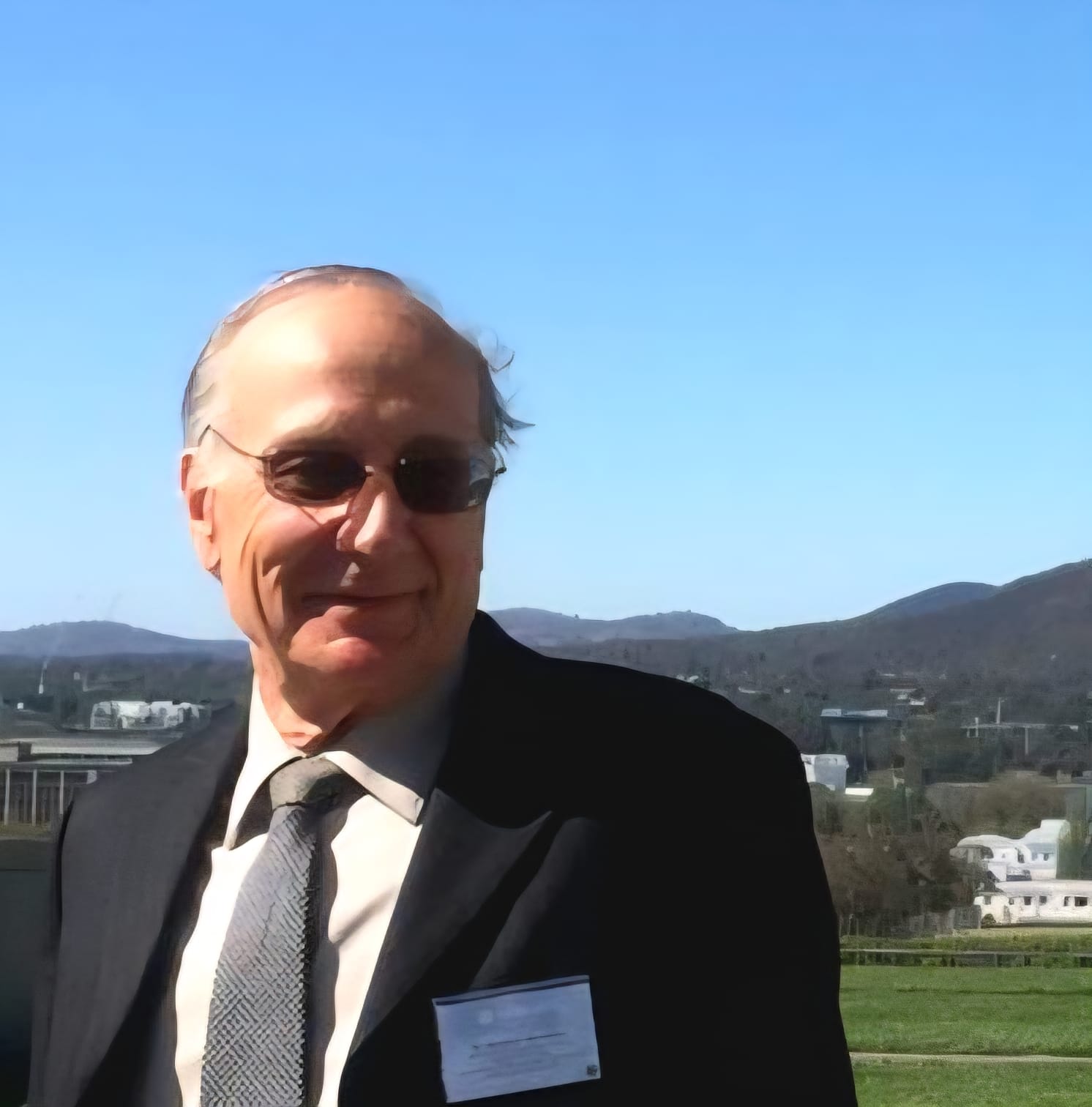
Recognised world expert in the link between political corruption and democratic governance, Jonathan Mendilow has spent four decades building the analytical frameworks through which scholars and policymakers understand how money, power, and institutional capture erode the foundations of democratic legitimacy. Educated at the Hebrew University of Jerusalem — where he completed his BA, MA, and PhD in Political Science and International Relations, all with distinction, under the supervision of Professor Jacob Talmon — he went on to teach at the University of Tel Aviv, the University of Southern California, and Rider University, where he served as Professor and Chair of the Department of Political Science until 2024.
His scholarly range is unusually wide, encompassing the intellectual history of conservatism and romanticism, comparative electoral politics, and the political economy of party finance — yet his most consequential and enduring contribution is the body of work he has built on corruption: its structural roots, its relationship to populism, and the mechanisms by which it hollows democratic institutions from within. As Chair of the IPSA Research Council on Political Finance and Political Corruption for fifteen years, he has shaped the international research agenda in this field. His edited volumes — published by Edward Elgar, Lexington Books, and Vernon Press — are foundational references in the comparative study of corruption and competitive democracy worldwide.
Corruption is not the enemy of democratic governance — it is its most patient student. It learns the rules in order to use them, and masters the institutions in order to hollow them.
As Head of Research at TDE Institute, Mendilow oversees the Institute's research standards and methodology across all lines of inquiry — ensuring the analytical rigour, scholarly independence, and intellectual coherence that TDE's work demands. He also personally directs the second line of inquiry, Justice, Corruption and Democracy, bringing to that programme the same comparative and structural analytical lens he has applied throughout his career — asking how democratic institutions are captured, hollowed, and ultimately turned against the publics they exist to serve.
Awards & HonoursFulbright Scholar, Yale University, New Haven (1980–1981). Senior Fulbright Fellow, Flinders University and Carnegie Mellon University, Adelaide (2020–2021).