Research Streams
Interrelated research streams pursue the structural logic of democratic vulnerability—from the cognitive appeal of populist thought to its competing ideological foundations.
Populism’s Cognitive Logic: Beyond the People vs. the Elite
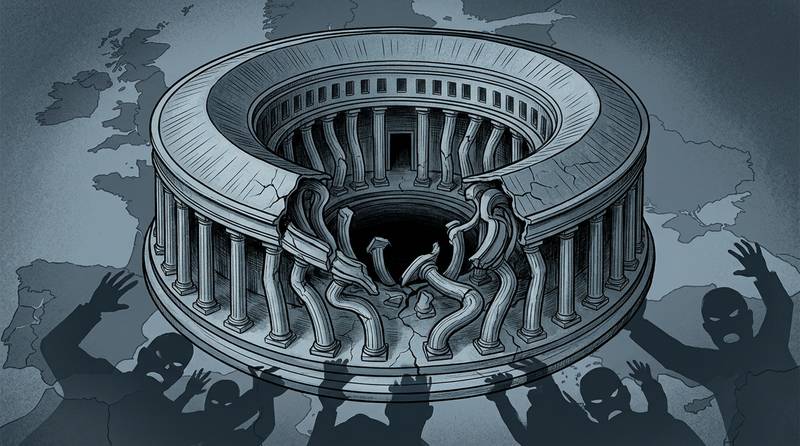
Why are growing numbers of American citizens turning away from liberal democracy? The conventional answer points to economic grievance or charismatic leadership. This research argues the real answer runs deeper.
Moving beyond the framing of populism as a “thin” ideology, this study offers a theoretical analysis of its political worldview—one that is not only centered on the conflict between “the people” and a corrupt elite, but is fundamentally authoritarian, absolutist, and exclusionary.
“The relative simplicity of populist thought is central to its enduring appeal. It offers a framework for understanding governance more accessible than liberal democratic alternatives.”
An online survey measuring populist attitudes alongside cognitive ability found that individuals’ propensity to embrace populism is significantly shaped by cognitive capacity. Populism’s simplicity is not a bug—it is its most powerful feature.
Embracing a Politics You Can Understand: The Cognitive Basis of Authoritarian, Exclusionary Populism in the US and Spain
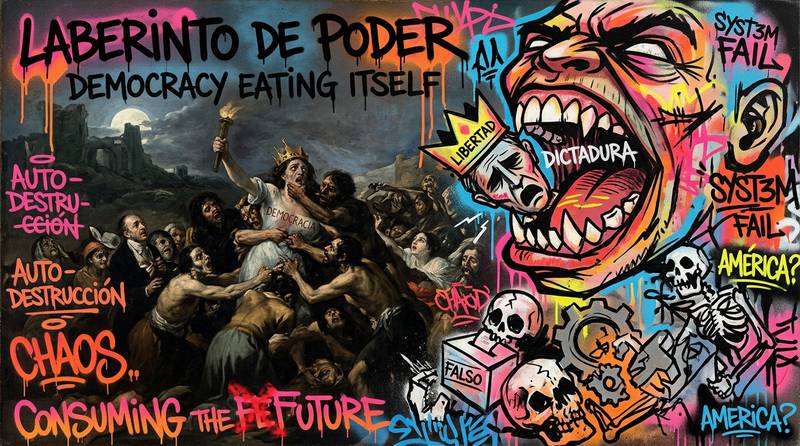
Across the United States and Spain, citizens are turning toward populist alternatives to liberal democracy. This research proposes a unifying explanation: populism succeeds not because it deceives, but because it is simpler to grasp.
Populism constitutes a structurally coherent political worldview—centered on the conflict between “the people” and a corrupt elite, and fundamentally authoritarian, absolutist, and exclusionary in character.
“Populism’s comparative simplicity is central to its appeal. It provides a framework for understanding society that is more accessible and therefore more readily adopted than liberal democratic alternatives.”
Survey data from both countries confirm that individuals’ propensity to embrace populism is significantly influenced by cognitive ability—a finding that holds across national contexts and points to a structural vulnerability in democratic governance.
Ideologies of the Practical, the Desirable and the Corrupt: Right-Wing Populist vs Liberal Democratic Conceptions of Domestic Governance and International Relations

Politics in the advanced industrialized democracies has become increasingly polarized around a single defining divide: liberal democrats on one side, right-wing populists on the other. This research asks what that divide is really about.
Challenging the view that right-wing populism is only a “thin” ideology, this study argues it represents a coherent vision of human nature, society, and governance that differs from liberal democracy in its foundational assumptions about social life and the moral principles that guide it.
“Each side sees the other not merely as mistaken, but as corrupt—a threat to what is true and good. Understanding this dynamic is the first step toward any serious response.”
The essay concludes with two possible paths forward: deliberative engagement grounded in shared human concerns, or strategic conflict driven by a recognition of irreconcilable differences.