Research Streams
Dark Money and Democratic Erosion: Campaign Financing in the United States
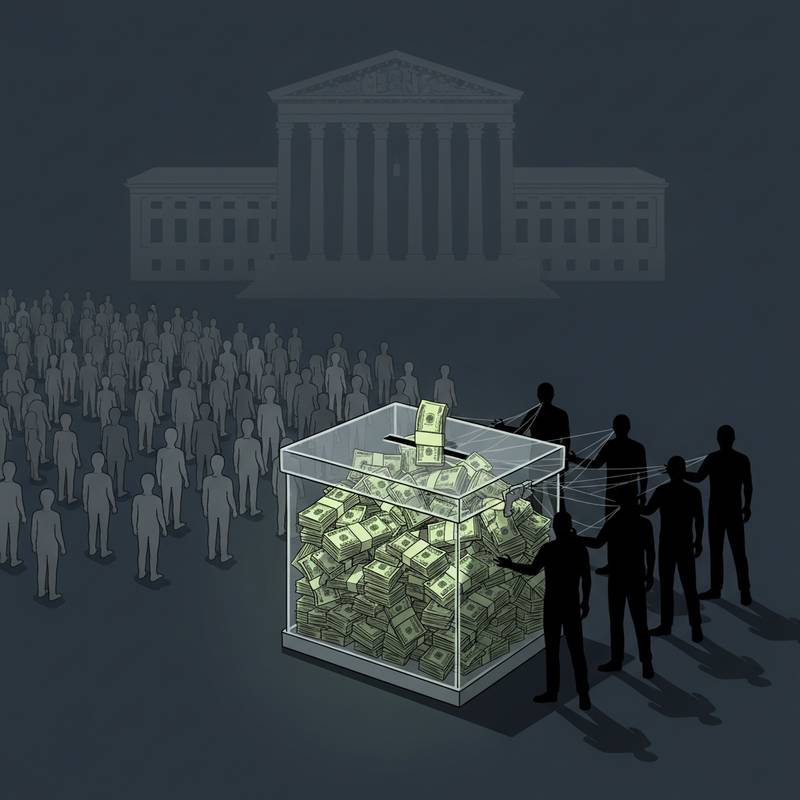
Since the Supreme Court’s Citizens United decision in 2010, unlimited money has flowed into American presidential elections — producing a reality in which fewer than one hundred billionaires fund nearly seventy percent of Republican presidential campaigns.
This research stream traces the emergence of an ultra-wealthy mini-class whose financial dominance over electoral competition translates directly into policy influence, examining the impact on three critical constituencies across the 2012, 2016, 2020, and 2024 presidential elections: voters who declare independent status in a two-party system with no independent option on the ballot, registered voters who do not cast ballots, and eligible citizens who do not register at all. What motivates these forms of democratic withdrawal? What is their connection to the transformation of campaign financing? And what do they reveal about a democracy in which growing numbers of citizens believe that democracy, as they once understood it, no longer exists?
“When the rules of the game are written by those who fund the game, the distinction between governance and capture disappears.”
Populism, Corruption, and the Absence of Resistance
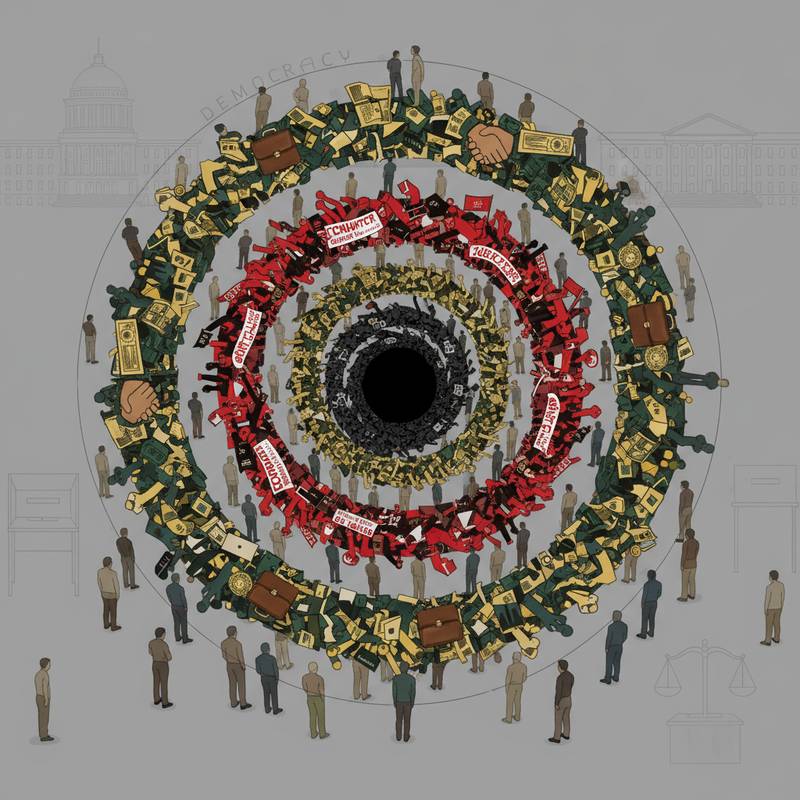
If corruption breeds populism, does populism in turn breed more corruption — and what happens to democracy when no one resists?
This research stream examines the underexplored feedback loop between the rise of the ultra-wealthy donor class and the populist movements that claim to oppose elite capture while often deepening it. Drawing on comparative analysis across Western democracies, the project investigates how society’s very definition of corruption shifts across periods and political contexts, how the connection between money in politics and populist mobilization operates in practice, and how democratic decline accelerates not when corruption is most visible but when resistance to it is absent.
“Democratic decline accelerates not when corruption is most visible — but when resistance to it is absent.”